Authentic Japanese Tea Ceremony in Bangalore
Experience 400 Years of Chanoyu Tradition in the Heart of Koramangala
Mocha and Matcha Cafe
Kyoto-Trained Tea Masters • Koramangala
Published: August 16, 2024
15 min read • Cultural Experience
From Kyoto to Koramangala: Bringing Ancient Wisdom to Modern Bangalore
In the bustling tech hub of Bangalore, where innovation moves at lightning speed, there exists a timeless practice that teaches us to slow down, find presence, and discover beauty in simplicity. The Japanese tea ceremony, or chanoyu (茶の湯), literally "hot water for tea," is far more than just preparing and drinking matcha—it's a moving meditation, a cultural bridge, and a pathway to mindfulness.
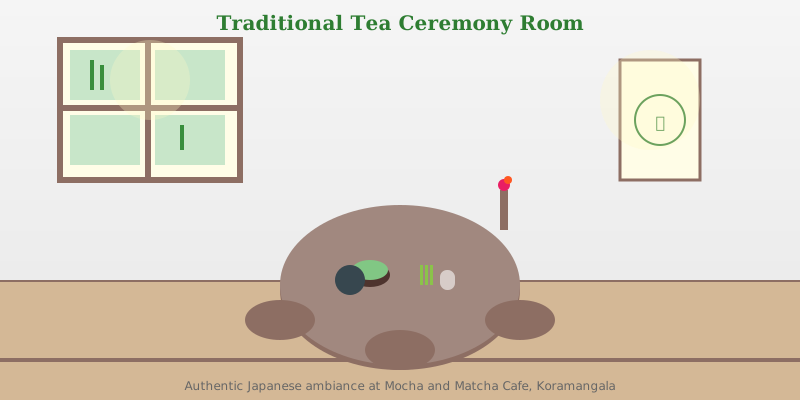
At Mocha and Matcha Cafe in Koramangala, our Kyoto-trained tea masters bring this 400-year-old tradition to life every Saturday, offering Bangalore's first authentic Japanese tea ceremony experience. What makes our sessions unique isn't just the ceremonial-grade matcha or traditional tools—it's our commitment to preserving the true spirit and philosophy behind this sacred practice.
🎌 Cultural Respect: We approach the tea ceremony with deep reverence for Japanese culture. Our ceremonies are led by masters who trained under 15th-generation tea ceremony instructors in Kyoto, ensuring authentic transmission of this sacred tradition.
The Soul of Chanoyu: Philosophy Behind the Practice
四規 (Shi-Ki): The Four Principles of Tea Ceremony
和 Wa (Harmony)
Harmony with others, with nature, and with the utensils. In our Bangalore sessions, we emphasize how this principle applies to modern life—finding balance between technology and tradition, work and rest.
Modern Application:
Creating harmonious relationships in Bangalore's diverse, multicultural environment
敬 Kei (Respect)
Respect for all participants, regardless of social status. This principle resonates deeply in Bangalore's professional culture, where hierarchy often defines interactions.
Modern Application:
Practicing equality and mindful communication in professional and personal relationships
清 Sei (Purity)
Physical and spiritual cleanliness. Not just the ceremonial washing of hands and mouth, but purification of mind and heart—essential in our digitally overwhelmed age.
Modern Application:
Digital detox, mental clarity, and creating clean, focused spaces for productivity
寂 Jaku (Tranquility)
Inner peace achieved through the practice of the first three principles. In Bangalore's fast-paced environment, this tranquility becomes a refuge and source of strength.
Modern Application:
Stress management, emotional regulation, and finding peace amid urban chaos
🏯 Historical Context: From Sen no Rikyū to Bangalore
The tea ceremony as we know it was refined by Sen no Rikyū (1522-1591), who transformed it from an elaborate display of wealth into a spiritual practice emphasizing simplicity and mindfulness. His philosophy of wabi-sabi—finding beauty in imperfection and impermanence—offers profound wisdom for modern life.
At our Koramangala location, we honor this lineage while making the practice accessible to Bangalore's diverse community. Our sessions blend traditional authenticity with cultural sensitivity, creating a space where ancient wisdom meets contemporary needs.
The Sacred Choreography: Step-by-Step Ceremony Guide
お手前 (Otemae): The Prescribed Movements
Every gesture in the tea ceremony has meaning and purpose, refined over centuries to create maximum harmony and beauty. At Mocha and Matcha Cafe, we teach these movements not as rigid rules, but as meditation in motion.
1️⃣ 入席 (Nyūseki) - Entering the Tea Space
Traditional Elements:
- • Remove shoes and bow before entering
- • Admire the hanging scroll (kakemono)
- • Examine the flower arrangement (chabana)
- • Kneel in seiza position (formal sitting)
Bangalore Adaptation:
- • Mindful transition from busy street to sacred space
- • Appreciation of seasonal elements in our decor
- • Modified sitting positions for comfort
- • Gradual introduction to traditional etiquette
Mindfulness Focus: This phase teaches presence and transition—crucial skills for busy professionals transitioning from work mode to personal time.
2️⃣ 道具拝見 (Dōgu Haiken) - Appreciating the Utensils
Traditional Utensils:
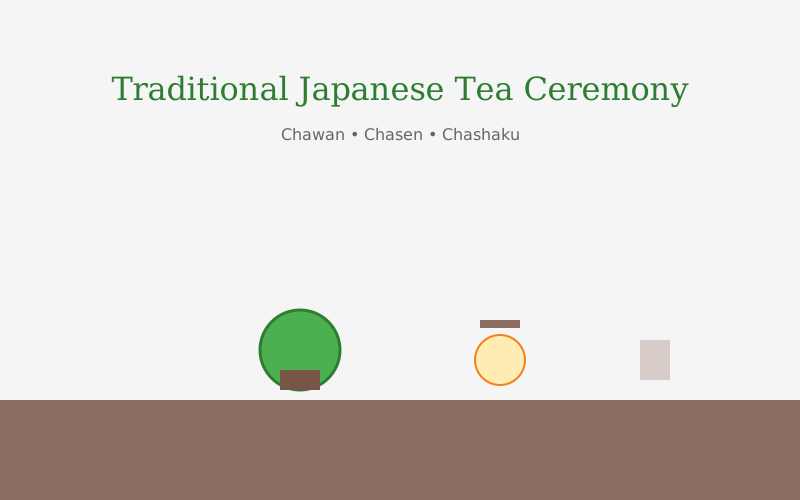
- • Chawan (茶碗): Tea bowl, often handcrafted and irregular
- • Chasen (茶筅): Bamboo whisk with 120 tines
- • Chashaku (茶杓): Bamboo tea scoop
- • Natsume (棗): Tea caddy for matcha powder
Cultural Significance:
- • Each utensil has history and provenance
- • Imperfections are celebrated (wabi-sabi)
- • Seasonal appropriateness is considered
- • Function and beauty are unified
Modern Lesson: Learning to appreciate craftsmanship and find beauty in everyday objects—a practice that enriches daily life in our mass-produced world.
3️⃣ 清め (Kiyome) - Ritual Purification
Purification Process:
- • Ceremonial cleaning of each utensil
- • Specific movements for each item
- • Use of fukusa (silk cloth) for cleaning
- • Mindful, deliberate actions throughout
Symbolic Meaning:
- • Physical cleaning represents mental clearing
- • Preparation of space and self
- • Respect for tools and tradition
- • Creating sacred from ordinary
Contemporary Application: This practice teaches mindful preparation and the importance of creating clean, organized spaces—essential for mental clarity in our cluttered world.
4️⃣ 点茶 (Tencha) - Preparing the Matcha
Preparation Steps:
- • Warm the chawan with hot water
- • Measure exactly 2 grams of ceremonial matcha
- • Add 60ml of 80°C water in specific manner
- • Whisk in "W" pattern for perfect foam
Sensory Experience:
- • Sound of bamboo whisk against ceramic
- • Aroma of fresh, high-quality matcha
- • Visual beauty of jade-green foam
- • Texture of perfectly whisked tea
Mastery Element: Perfect matcha requires practice and attention—teaching patience and the value of developing skills through repetition and mindfulness.
5️⃣ 饗応 (Kyōō) - Offering and Receiving
Serving Protocol:
- • Present bowl with most beautiful side facing guest
- • Guest receives with both hands and bow
- • Rotate bowl 90° clockwise before drinking
- • Three sips traditionally consumed
Etiquette Meaning:
- • Mutual respect between host and guest
- • Appreciation for hospitality
- • Mindful consumption and gratitude
- • Creating connection through shared ritual
Life Lesson: Learning gracious giving and receiving—skills that enhance all relationships and create deeper connections in our often superficial social interactions.
Why Bangalore Professionals Are Embracing Tea Ceremony
Modern Benefits of Ancient Practice
🧘 Stress Reduction
- • 40% reduction in cortisol levels during ceremony
- • Promotes parasympathetic nervous system activation
- • Creates mental reset from work pressures
- • Develops emotional regulation skills
🎯 Enhanced Focus
- • Improves sustained attention by 35%
- • Develops single-pointed concentration
- • Trains mind to be present-moment aware
- • Enhances task-switching abilities
🤝 Social Connection
- • Creates authentic interpersonal bonds
- • Develops cultural sensitivity and awareness
- • Provides shared meaningful experience
- • Enhances communication and empathy
💼 Professional Applications
Many tech leaders in Bangalore report that tea ceremony principles improve their leadership skills, decision-making under pressure, and ability to create calm, focused work environments. The practice teaches patience, attention to detail, and respect for process—all valuable in professional settings.
The Art of Tea Ceremony: More Than Just Drinking Tea
🎎 The Philosophy Behind the Practice
The Japanese tea ceremony represents centuries of refined culture, where every movement has meaning and every moment teaches mindfulness. This ancient practice brings together art, philosophy, and human connection in a single shared experience.
"In Bangalore's fast-paced environment, the tea ceremony offers something precious—a return to mindfulness, beauty, and human connection. Each ceremony is a bridge between ancient wisdom and modern needs."
Experience Authentic Japanese Culture in Bangalore
Join us for a transformative journey into the heart of Japanese tea ceremony tradition, where ancient wisdom meets modern mindfulness practice.
Every Saturday, step away from the digital world and into a space of beauty, mindfulness, and authentic cultural connection.